
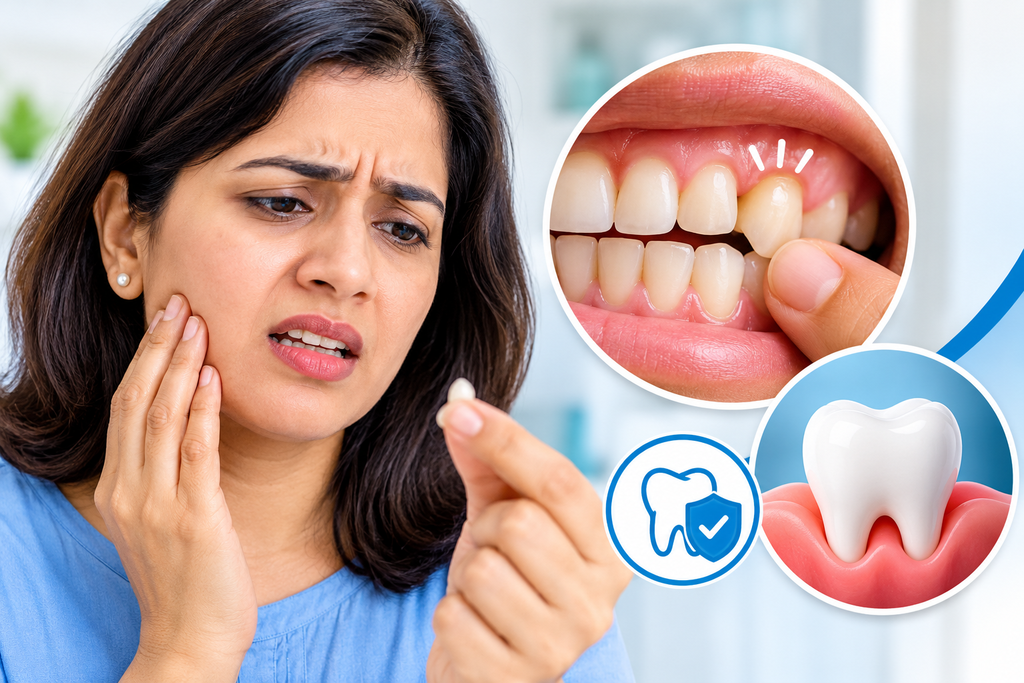
Painful loose teeth in adults can be a significant oral concern, particularly if your permanent teeth are shifting when chewing, brushing or speaking. (Children are meant to lose baby teeth, so they should not be loose, and adults typically should not have loose teeth in any circumstances.) The occurrence of loose teeth in adults could be due to an underlying dental condition that needs addressing by a professional.
Gum disease, injury, teeth grinding, infection and a lack of support around the tooth can all lead to loose teeth. Depending on the cause of the problem, there are many dental treatments available which could help stabilise the tooth and preserve your oral health.
In this article we will look at some of the reasons for adult loose teeth, the signs to look out for, treatment options and also some tips on how to prevent loose adult teeth.
What Causes Loose Teeth in Adults?
A tooth in the mouth is actually embedded and held in place by gum tissue, periodontal ligament, and jawbone. When the gums, periodontal ligament, or jawbone supporting the tooth is compromised, the tooth can become loose. Here are some common reasons why adults have loose teeth.
Gum Disease (Periodontitis)
Gum disease is the leading cause of loose adult teeth. This is most often caused by plaque building up on the teeth and gum line. Plaque, if left on the teeth and gum line, can become tartar and cause gums to become inflamed.
In the final stage (periodontitis), the infection begins to destroy the tissue and bone that surround the tooth. As the tissue and bone that support the teeth are destroyed, the teeth loosen.
Typical indicators:
- Bleeding gums while brushing or flossing
- Red, swollen or tender gums
- Chronic bad breath
- Gum recession
- Loose or shifting teeth
Timely diagnosis and expert periodontal treatment can halt gum disease and maintain the residual structures.
2. Dental Injuries or Accidents
An impact to the mouth, a sports injury or an accident can affect the tissues around a tooth. Even if the tooth isn’t broken the impact could affect the ligament holding it in position and make it mobile.
Many common scenarios are:
- Falling and hitting the mouth
- Sports-related injuries
- Unintentional contact to face
- Sudden biting on objects
A tooth that has come loose as a result of trauma needs to be seen by a dentist as soon as possible. Early treatment can increase the likelihood that the natural tooth can be saved.
3. Teeth Grinding (Bruxism)
Teeth grinding/Bruxism is a condition where you repeatedly grind and clench your teeth. Many people are unaware that they do it when they are sleeping. Too much pressure on the teeth can take its toll on the supporting tissues over time. It can also lead to tooth sensitivity, wearing away of the enamel, discomfort in the jaw and increased tooth mobility.
If a dentist suggests a custom night guard, you may need to wear one to limit the amount of force used on your teeth and avoid additional damage.
4. Dental Infections
Infection in the tissue near a tooth root or in the tissue surrounding a tooth may threaten its supporting structures. Tooth decay, broken teeth and periodontal (gum) disease are all ways in which dental abscesses may occur.
Potential symptoms:
- Pain when chewing
- Swelling around the affected tooth
- Pus formation
- Persistent bad taste in the mouth
- More tooth sensitivity
- Tooth mobility in some cases
Do not delay in seeking treatment for a dental infection. Your dentist will be able to diagnose the infection and determine the best way to treat it. Taking proper care of your teeth by brushing and flossing are a necessary part of staying healthy.
Hormonal Changes and Medical Conditions
Another example is diabetes. Pregnant women or women undergoing menopause can also experience gum sensitivity and inflammation due to changes in hormones. If you have existing health conditions, continue visiting your dentist regularly so you can monitor possible conditions and catch problems early.
Loose Teeth in Adults Symptoms
The tooth may become mobile gradually or suddenly and each of the causes of the condition needs to be identified in order to determine the severity of the condition. Early detection can be helpful in preventing other dental problems.
Keep an eye on these symptoms:
- A permanent tooth may feel a little loose to touch or while chewing.
- You have bleeding gums every time you floss or brush.
- Gum Recession: The gum tissue around the teeth pulls back, exposing more of the tooth.
- Pain While Chewing: The patient experiences pain when biting or chewing food.
- There is swelling or redness in the gum tissue surrounding the tooth in question.
- Changes in Tooth Position: Teeth can move, forming new spaces or altering the bite.
- Bad Breath: Ongoing bad breath can result from plaque build-up or infection of the gums.
Should you experience any of the above symptoms, see your dentist for an examination.
How Are Loose Teeth Diagnosed?
A dentist will evaluate the tooth in question and the gum tissue surrounding it.
The diagnostic process may include:
- Clinical Examination: The dentist assesses the movement of the tooth, condition of the gums and the surrounding tissues.
- The dental professional will measure the gaps between your gums and the teeth to look for indications of gum disease.
- What are the specific conditions that can be treated with dental X-rays? Airway, infections and root problems can be diagnosed using x-ray imaging.
- The dentist will determine if the abnormal pain is caused by biting hard, clenching or grinding teeth.
A suitable treatment plan can be suggested based on these findings.
What Can You Do For Loose Teeth in Adults
Treatment will depend on the underlying reason and severity of the loosening. Loose teeth do not necessarily mean that the tooth needs to be removed.
1. Deep Cleaning (Scaling and Root Planning)
Professional deep cleaning might be advised if the looseness is due to gum disease.
Scaling – removes plaque and tartar from above and below the gumline. Root planning planes down the root surfaces for the teeth to better heal and reattach where it can.
It is used to treat periodontal infection, but it can also help prevent additional damage to the supporting tissue.
2. Gum Disease Treatment
If you have advanced gum disease, you need treatment from the periodontist. A deep clean may be enough, or you may need medicine or even periodontal surgery. The primary concern is to manage infection, reduce inflammation and save the existing supporting bone.
3. Tooth Splinting
The fixing of a loosened or mobile tooth with the support of neighboring teeth, using a suitable filling or bonding material. This can increase stability and reduce any unnecessary movement during everyday use. Splinting is an option for some periodontal or trauma cases but the cause should also be treated.
4. Root Canal Treatment
Root canal treatment may be the best course of action if the issue is an infection inside the tooth. The infected tissue sample from within the pulp chamber is extracted and the root canal is cleaned, disinfected and filled.
In certain cases, a dental crown may be used to help regain strength and function.
5. Night Guard for Teeth Grinding
Your dentist may suggest a custom-made night guard if bruxism is causing your teeth to be loose. It forms a shield between your top and bottom teeth. This can help decrease the effects of teeth grinding and teeth clenching. Once you have the tooth extracted, then we can talk about replacement options.
Dental implants are one choice for replacing missing teeth. They are intended to act as an artificial tooth root and hold a bridge, crown or other restoration in place. The dentist will assess the condition of the bone, the health of the gum tissue and general appropriateness prior to suggesting an implant procedure.
Can a Loose Tooth Become Tight Again?
Sometimes, a loose tooth will tighten up after the problem has been addressed. For instance, if movement is related to inflammation of the gums or biting down with too much force, the correct dental treatment can help eliminate movement. If a lot of supporting bone has already been lost then full stability may not be achievable. The result is then very variable, depending on the severity of the break, the cause of the loose tooth and the response of the patient to the treatment.
Treatment later in the life of the tooth can make saving it more difficult or even impossible.
How to Prevent Loose Teeth in Adults
Maintaining proper oral hygiene and regular dental check-ups will help lessen the likelihood of developing gum disease and other reasons for mobility in teeth.
Follow these preventive practices:
- Clean teeth twice daily Use a fluoride toothpaste and a soft hair brush to clean your teeth.
- Floss daily: Clean out between your teeth from bite to bite.
- Have regular check-ups with your dentist for cleanings and inspections.
- Refrain from smoking: Smoking can contribute to gum disease and interfere with healing.
- Minimize how often you eat sugar-sweetened foods and beverages, which can lead to tooth decay.
- Wear Protective Gear: Wear an appropriate mouthguard while participating in contact sports.
- See your dentist if you tend to grind or clench your teeth.
- For example, within the diabetes (or heart or lung) condition, have the right treatment for the right reasons.
Those habits are helping gums stay healthier and helping to preserve your own teeth.
When Should You Visit a Dentist?
Don’t wait for your loose tooth to start hurting before you have a dental consultation. Loose teeth may have had a significant injury to the tissues that support the teeth with little pain.